Milk thistle is a flowering herb related to the daisy and ragweed family. It is native to Mediterranean countries. Some people also call it Mary thistle and holy thistle.

Milk thistle is sometimes used as a natural treatment for liver problems. These liver problems include cirrhosis, jaundice, hepatitis, and gallbladder disorders. Milk thistle is an herbal remedy derived from the milk thistle plant, also known as Silybum marianum. Milk thistle extract has a high amount of silymarin (between 65–80%) that has been concentrated from the milk thistle plant. The silymarin extracted from milk thistle is known to have antioxidant, antiviral and anti-inflammatory properties
Five Benefits of Milk Thistle
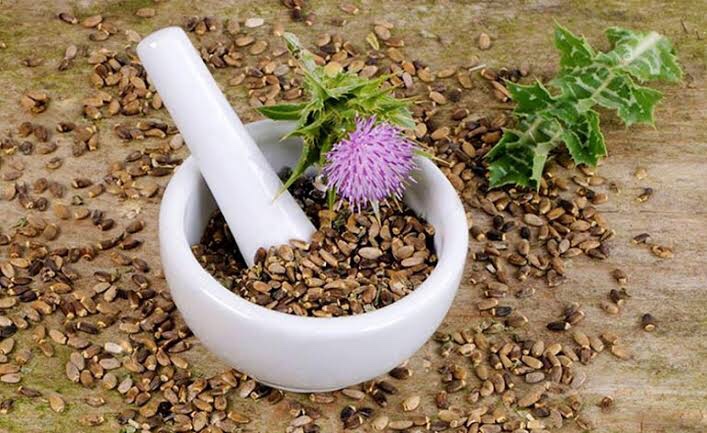
Milk Thistle Protects Your Liver
Milk thistle is often promoted for its liver-protecting effects. It’s regularly used as a complementary therapy by people who have liver damage due to conditions like alcoholic liver disease, non-alcoholic fatty liver disease, hepatitis and even liver cancer. It’s also used to protect the liver against toxins like amatoxin, which is produced by the death cap mushroom and is deadly if ingested.
It May Help Prevent Age-Related Decline in Brain Function
Milk thistle has been used as a traditional remedy for neurological conditions like Alzheimer’s and Parkinson’s disease for over two thousand years. Its anti-inflammatory and antioxidant properties mean that it is possibly neuroprotective and could help prevent the decline in brain function you experience as you age.
Milk Thistle Could Protect Your Bones
Osteoporosis is a disease caused by progressive bone loss. It usually develops slowly over a number of years and causes weak and fragile bones that break easily, even after minor falls. Milk thistle has been shown in experimental test-tube and animal studies to stimulate bone mineralization and potentially be protective against bone loss
It Can Boost Breast Milk Production
One reported effect of milk thistle is that it can boost breast milk production in lactating mothers. It’s thought to work by making more of the milk-producing hormone prolactin.
It Could Help Treat Acne
Acne is a chronic inflammatory skin condition. While not dangerous, it can cause scars. People may also find it painful and worry about its effects on their appearance. It’s been suggested that oxidative stress in the body may play a role in the development of acne

 STYLE CHECK with SHOM
3 Comments Add yours