Does Keto Diet Help in Fat Loss? Learn About How Effective Keto Diet is and What You Can Eat During A Keto Diet.
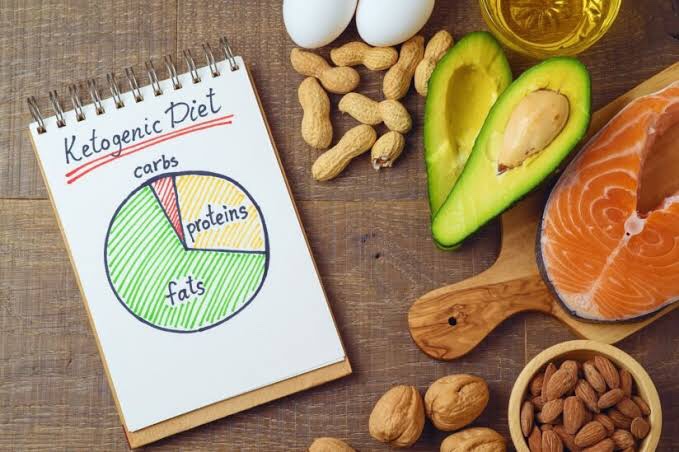
The ketogenic diet is a very low-carb, high-fat diet that shares many similarities with the Atkins and low-carb diets. While you eat far fewer carbohydrates on a keto diet, you maintain moderate levels of protein intake and may increase your intake of fat. The reduction in carb intake puts your body in a metabolic state called ketosis, where fat, from your diet and from your body, is burned for energy. The “keto” in a ketogenic diet comes from the fact that it allows the body to produce small fuel molecules called “ketones.”
What are the Types Of Ketogenic Diet?
There are basically four types of Ketogenic Diet.
1. Standard Ketogenic Diet:
Standard Ketogenic Diet is a low carb, medium protein and high-fat diet. The ratio is 75% fat, 20% protein and 5% Carbs.
2. Cyclical Ketogenic Diet:
This type pf ketogenic basically involves following a low carb ketogenic diet for five days a week and then consuming higher amount of carb in the next two days of the week.
3. Targeted Ketogenic Diet:
When you follow this diet, you are allowed to comsume fast digesting carbs before and after workout like banana.
4. High-Protein Ketogenic Diet:
This diet is similar to a standard keto diet but includes more amount of protein. The ratio is 60% protein, 25% fat and 5% carbs.
FACT
Standard Ketogenic Diet and High-Protein Ketogenic Diet are the most followed Ketogenic Diet in the world.
What Are The Benefits of A Ketogenic Diet?
Studies have shown that ketogenic diet helps in a lot of way.
1. Fat Loss: Keto helps in fat loss. The stores fats in the body is used as a source of energy. The lower insulin level sparks for less body fat.
2. Heart Disease: Keto reduces body fat, blood sugar level and keeps blood pressure in control hence its helpful for heart disease.
3. Cancer: Keto diet is being used for several cancer patients as it treats cancer and the growth of tumor.
4. Alzheimer: Keto diet reduces Alzheimer and slows down its progress.
5. Acne: Keto is low on sugar and the lower insulin level helps to get a clearer and acne free skin.
What You Can Eat on a Keto Diet
1- Seafood– Fish and shellfish are very keto-friendly foods. Salmon and other fish are rich in B vitamins, potassium and selenium, yet virtually carb-free.
Salmon, sardines, mackerel and other fatty fish are very high in omega-3 fats, which have been found to lower insulin levels and increase insulin sensitivity in overweight and obese people.
2- Cheese- Cheese is high in saturated fat, but it hasn’t been shown to increase the risk of heart disease. In fact, some studies suggest that cheese may help protect against heart disease.
3- Avocado– Avocado are high in several vitamins and minerals, including potassium, an important mineral many people may not get enough.
4- Eggs– Eggs are one of the healthiest and most versatile foods on the planet.One large egg contains less than 1 gram of carbs and fewer than 6 grams of protein, making eggs an ideal food for a ketogenic lifestyle.
5- Coconut Oil– Coconut oil has unique properties that make it well suited for a ketogenic diet.coconut oil has been used to increase ketone levels in people with Alzheimer’s disease and other disorders of the brain and nervous system.
6-Olive Oil- Olive oil provides impressive benefits for your heart. It’s high in oleic acid, a monounsaturated fat that has been found to decrease heart disease risk factors.
7-Nuts and Seeds– Nuts and seeds are healthy, high-fat and low-carb foods. Frequent nut consumption has been linked to a reduced risk of heart disease, certain cancers, depression and other chronic diseases. Almonds, Brazil nut , Cashews.
8- Meat- Unprocessed meats are low carb and keto-friendly, and organic and grass-fed meat might be even healthier.
9-Some Vegetables- cauliflower, cabbage, avocado, broccoli, zucchini, peppers, eggplants, tomatoes, asparagus, cucumber, onion, mushroom, spinach, lettuce, green beans, olives
What You Can’t Eat on a Keto Diet
1- Legumes– Black beans, kidney beans, pinto beans, navy beans, soybeans, peas, chickpeas, and lentils.
2- Grain Products– Cereal, bread, pasta, rice, corn, oatmeal, crackers, pizza, popcorn, granola, bagels, muesli, and flour.
3-Fruits– Apples, bananas, oranges, grapes, watermelon, peaches, melon, pineapple, cherries, pears, lemons, limes, grapefruits, plums, mango, etc.
4-Sweets– candy, chocolate, cakes, buns, pastries, tarts, pies, ice cream, cookies, pudding, custard
5-Sweetened Sauces and Dips- ketchup, BBQ sauce, tomato sauce, some salad dressings and hot sauces

 STYLE CHECK with SHOM